
Norms & Regulations
Norms & Regulations
Norms and Regulations: Why Acting Now Matters
Evolving Regulations Are Reshaping the Industry
Global chemical safety standards are tightening at an unprecedented pace. What was acceptable yesterday is being restricted today and may be banned tomorrow.
Under Directive 2004/37/EC, employers are legally required to reduce or replace carcinogenic, mutagenic or reprotoxic substances wherever it is technically possible to do so. This obligation is reinforced by strict exposure limits, such as the VLEP for formaldehyde: 0.37 mg/m³ over 8 hours and 0.74 mg/m³ over 15 minutes (Article 16).
Across the globe, regulations are converging:
- Europe: REACH and CLP mandate the identification, evaluation and substitution of hazardous substances. Formaldehyde is classified as Carc. 1B, and an endocrine disruptor. Resorcinol, bisphenols and isocyanates are also under high surveillance.
- North America: The U.S. EPA and OSHA have tightened exposure limits for formaldehyde and isocyanates, while Canada is targeting endocrine disruptors such as BPA.
- Asia-Pacific: China and Japan are introducing stricter restrictions on VOCs and carcinogens.
- Global Frameworks: The UN's SAICM and ISO sustainability standards are pushing industries towards safer alternatives.
Recent bans on PFAS and restrictions on 6PPD in the US highlight a global trend: hazardous chemicals are being phased out across industries. Resin systems are no exception — molecules such as formaldehyde, bisphenols, melamine and isocyanates are facing increasing regulatory pressure.
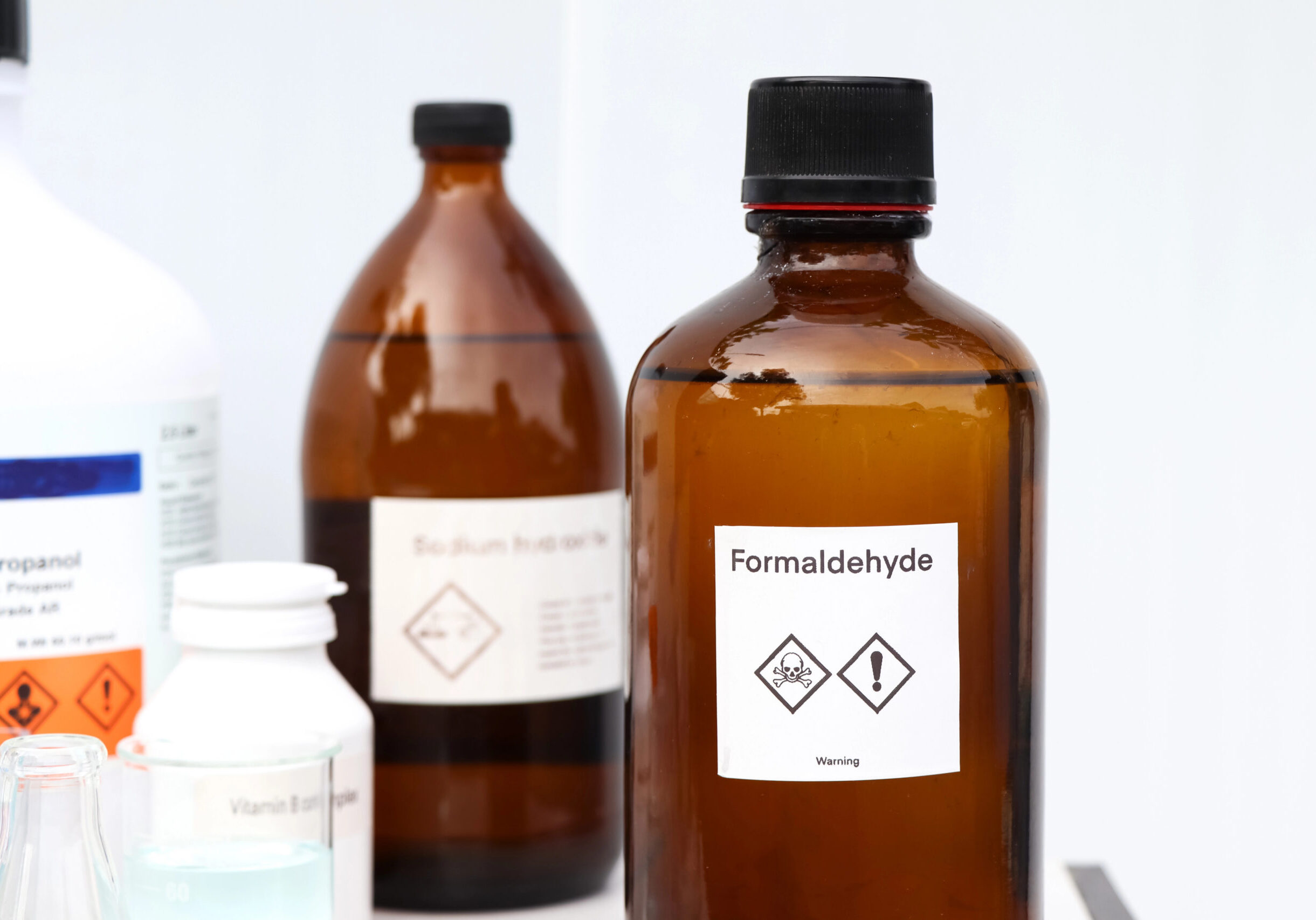
Under REACH, substances meeting SVHC criteria (Substances of Very High Concern) or even potential SVHC criteria trigger strict obligations. If a substance is present above 0.1% weight by weight, companies must:
- Document and justify why no safer alternative is available.
- Report compliance under Annex XVII conditions.
- Prepare for CSRD (Corporate Sustainability Reporting Directive) requirements, which demand transparency on hazardous substances in your portfolio.
Continuing to use molecules such as formaldehyde, bisphenols and isocyanates will create compliance risks and impact financial and sustainability reporting, adding complexity and cost.
Evolving Regulations Are Reshaping the Industry
Global chemical safety standards are tightening at an unprecedented pace. What was acceptable yesterday is being restricted today and may be banned tomorrow.
Under Directive 2004/37/EC, employers are legally required to reduce or replace carcinogenic, mutagenic or reprotoxic substances wherever it is technically possible to do so. This obligation is reinforced by strict exposure limits, such as the VLEP for formaldehyde: 0.37 mg/m³ over 8 hours and 0.74 mg/m³ over 15 minutes (Article 16).
Across the globe, regulations are converging:
- Europe: REACH and CLP mandate the identification, evaluation and substitution of hazardous substances. Formaldehyde is classified as Carc. 1B, and an endocrine disruptor. Resorcinol, bisphenols and isocyanates are also under high surveillance.
- North America: The U.S. EPA and OSHA have tightened exposure limits for formaldehyde and isocyanates, while Canada is targeting endocrine disruptors such as BPA.
- Asia-Pacific: China and Japan are introducing stricter restrictions on VOCs and carcinogens.
- Global Frameworks: The UN's SAICM and ISO sustainability standards are pushing industries towards safer alternatives.
Recent bans on PFAS and restrictions on 6PPD in the US highlight a global trend: hazardous chemicals are being phased out across industries. Resin systems are no exception — molecules such as formaldehyde, bisphenols, melamine and isocyanates are facing increasing regulatory pressure.
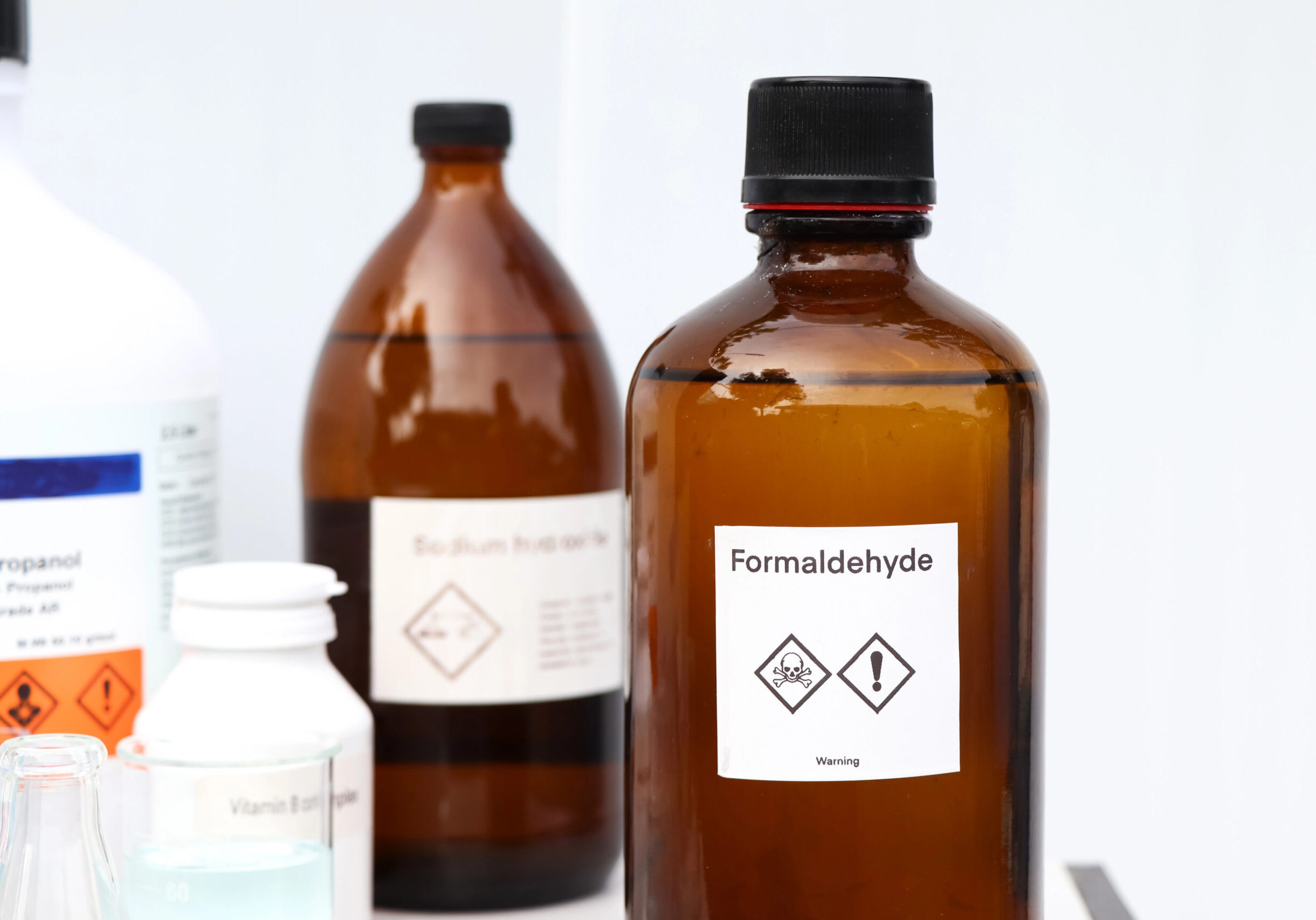
Under REACH, substances meeting SVHC criteria (Substances of Very High Concern) or even potential SVHC criteria trigger strict obligations. If a substance is present above 0.1% weight by weight, companies must:
- Document and justify why no safer alternative is available.
- Report compliance under Annex XVII conditions.
- Prepare for CSRD (Corporate Sustainability Reporting Directive) requirements, which demand transparency on hazardous substances in your portfolio.
Continuing to use molecules such as formaldehyde, bisphenols and isocyanates will create compliance risks and impact financial and sustainability reporting, adding complexity and cost.
Why This Matters for Your Business
Compliance is no longer optional. Companies that fail to adapt face the following:
- Legal risk: Non-compliance can result in fines, product recalls, and reputational damage.
- Market risk: OEMs and consumers increasingly demand non-toxic, sustainable materials.
- Operational risk: Under EU Directive 2004/37/CE, hazardous molecules must be replaced wherever technically feasible.
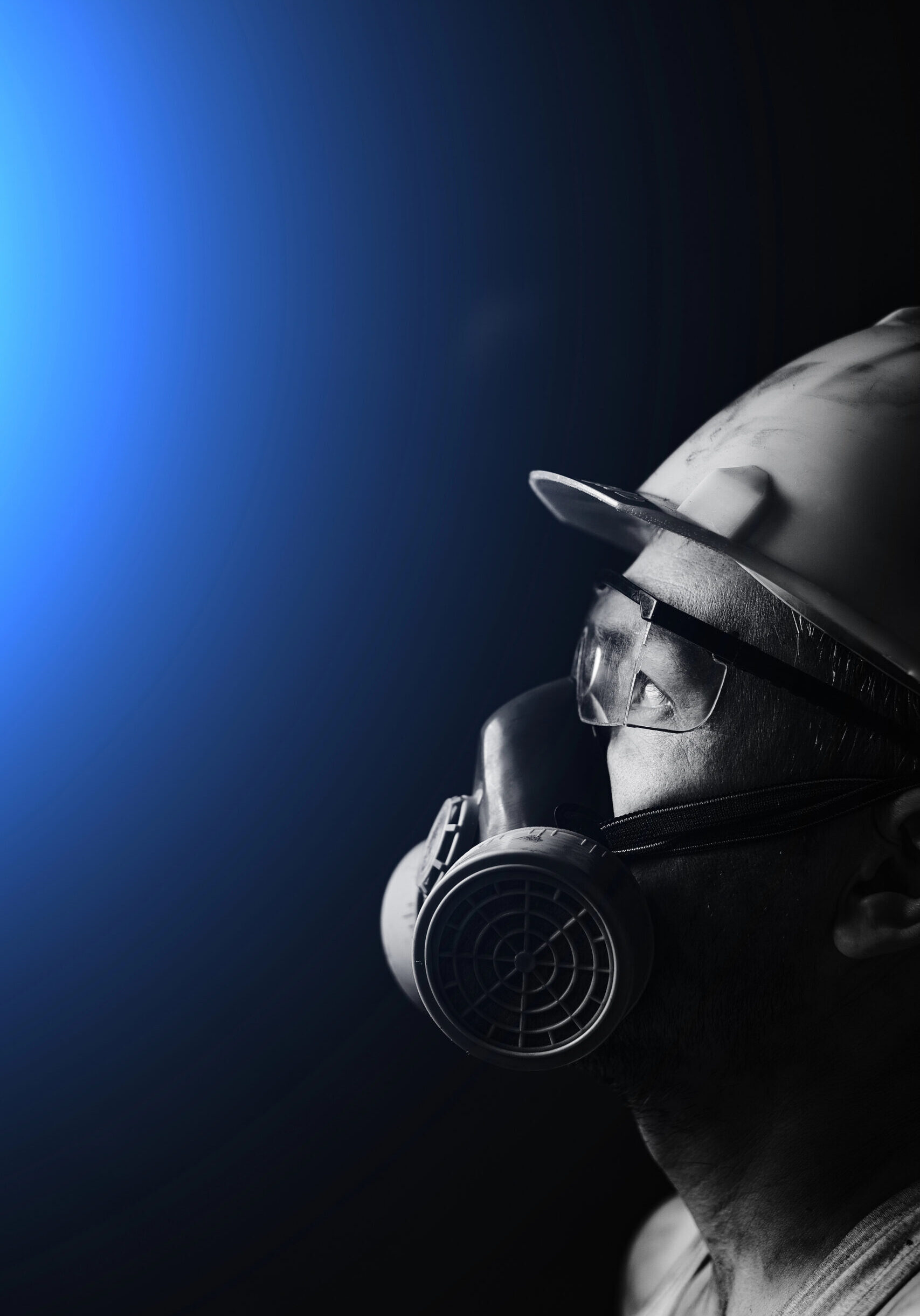
Indoor air quality is another important consideration: emissions from formaldehyde and VOCs can make indoor air up to eight times more polluted than outdoor air, impacting worker health and customer trust. A recent U.S. study found that formaldehyde levels in homes were almost three times higher than the EPA's respiratory safety thresholds.
Why This Matters for Your Business
Compliance is no longer optional. Companies that fail to adapt face the following:
- Legal risk: Non-compliance can result in fines, product recalls, and reputational damage.
- Market risk: OEMs and consumers increasingly demand non-toxic, sustainable materials.
- Operational risk: Under EU Directive 2004/37/CE, hazardous molecules must be replaced wherever technically feasible.
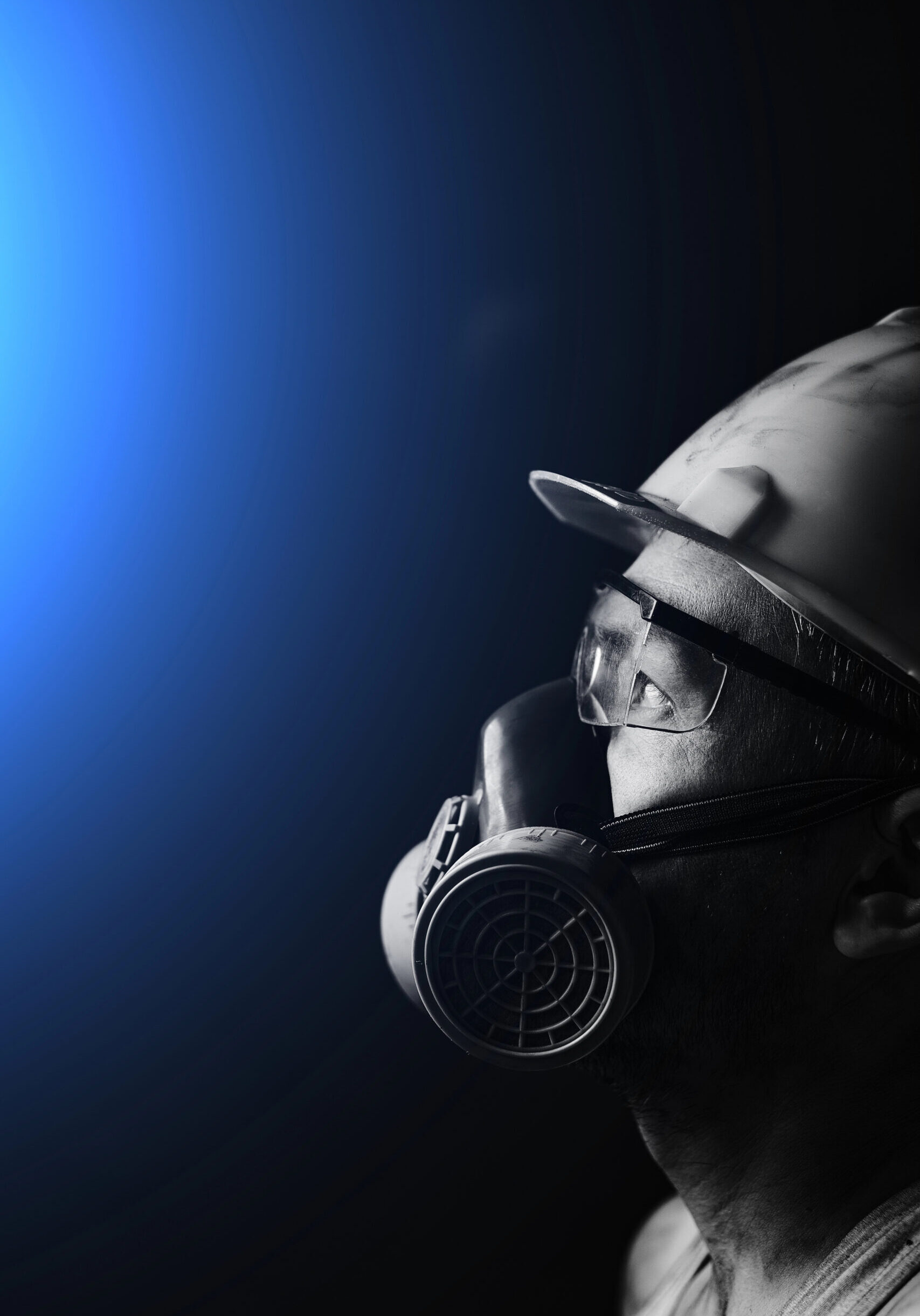
Indoor air quality is another important consideration: emissions from formaldehyde and VOCs can make indoor air up to eight times more polluted than outdoor air, impacting worker health and customer trust. A recent U.S. study found that formaldehyde levels in homes were almost three times higher than the EPA's respiratory safety thresholds.
The Regulatory Storm: Molecules Under Scrutiny
Traditional resin systems rely on molecules that are now classified as high risk:
- Phenolic resins: Formaldehyde (Carc. 1B, Mutagen 2, skin sensitizer), resorcinol (endocrine disruptor), phenols (mutagenic potential).
- Epoxy resins: Bisphenol A (reproductive toxicant, endocrine disruptor).
- Aminoplast resins: Melamine (SVHC), formaldehyde.
- Polyurethane resins: Isocyanates (cause asthma, eczema, and hypersensitivity pneumonitis).
- Polyesters: Organic solvents (linked to nervous system damage, reproductive effects, and cancer).
- Furfural systems: Furfuraldehyde (Carc. 2, highly reactive).
These classifications (shown in EU pictograms and hazard statements) mean that substitution is not only a sustainability goal, but also a regulatory imperative.


The Regulatory Storm: Molecules Under Scrutiny
Traditional resin systems rely on molecules that are now classified as high risk:
- Phenolic resins: Formaldehyde (Carc. 1B, Mutagen 2, skin sensitizer), resorcinol (endocrine disruptor), phenols (mutagenic potential).
- Epoxy resins: Bisphenol A (reproductive toxicant, endocrine disruptor).
- Aminoplast resins: Melamine (SVHC), formaldehyde.
- Polyurethane resins: Isocyanates (cause asthma, eczema, and hypersensitivity pneumonitis).
- Polyesters: Organic solvents (linked to nervous system damage, reproductive effects, and cancer).
- Furfural systems: Furfuraldehyde (Carc. 2, highly reactive).
These classifications (shown in EU pictograms and hazard statements) mean that substitution is not only a sustainability goal, but also a regulatory imperative.

ResiCare: Ahead of the Curve
While others are still trying to comply, ResiCare is already ahead of the regulations. Our resin formulations are:
- Naturally non-toxic: Free from formaldehyde, bisphenols, isocyanates, and other SVHC molecules.
- Sustainable by design: Bio-based chemistry aligned with global sustainability goals.
- Performance-driven: High technical standards without compromising safety.
Our molecules do not meet the criteria for being classified as SVHCs and are continuously monitored through REACH and scientific surveillance. This ensures a non-regrettable substitution that is safe for workers, consumers, and the environment.
At ResiCare, we don't just meet regulations. We future-proof your business against evolving norms.

ResiCare: Ahead of the Curve
While others are still trying to comply, ResiCare is already ahead of the regulations. Our resin formulations are:
- Naturally non-toxic: Free from formaldehyde, bisphenols, isocyanates, and other SVHC molecules.
- Sustainable by design: Bio-based chemistry aligned with global sustainability goals.
- Performance-driven: High technical standards without compromising safety.
Our molecules do not meet the criteria for being classified as SVHCs and are continuously monitored through REACH and scientific surveillance. This ensures a non-regrettable substitution that is safe for workers, consumers, and the environment.
At ResiCare, we don't just meet regulations. We future-proof your business against evolving norms.

Take Action Today
Don’t wait for compliance deadlines to disrupt your operations. Partner with ResiCare and secure:
- Regulatory peace of mind
- Safer workplaces
- Sustainability reporting under CSRD
To build with us the best solution adapted to your needs, let’s get in touch !