
Indoor Air Quality
Indoor Air Quality
Indoor Air Quality: The Invisible ROI
Pollutants accumulate in indoor environments from materials, processes, and finishes. One major contributor is formaldehyde, a chemical used in many resin systems for wood panels, insulation, and composites. Although formaldehyde delivers performance, it also poses serious health risks, making safer alternatives essential.
However, formaldehyde isn’t the only concern. Indoor spaces often contain volatile organic compounds (VOCs) from paints and cleaning products; carbon monoxide from combustion appliances; particulate matter from cooking, dust, and other sources; and phthalates from plastics and flooring. These substances can compromise comfort, safety, and productivity, making low-emission materials a smart investment.
By choosing resins and finishes that are free of harmful substances, you can reduce the emissions that affect air quality in spaces where your teams work and your customers spend time. This improves trust and well-being while providing an invisible ROI.
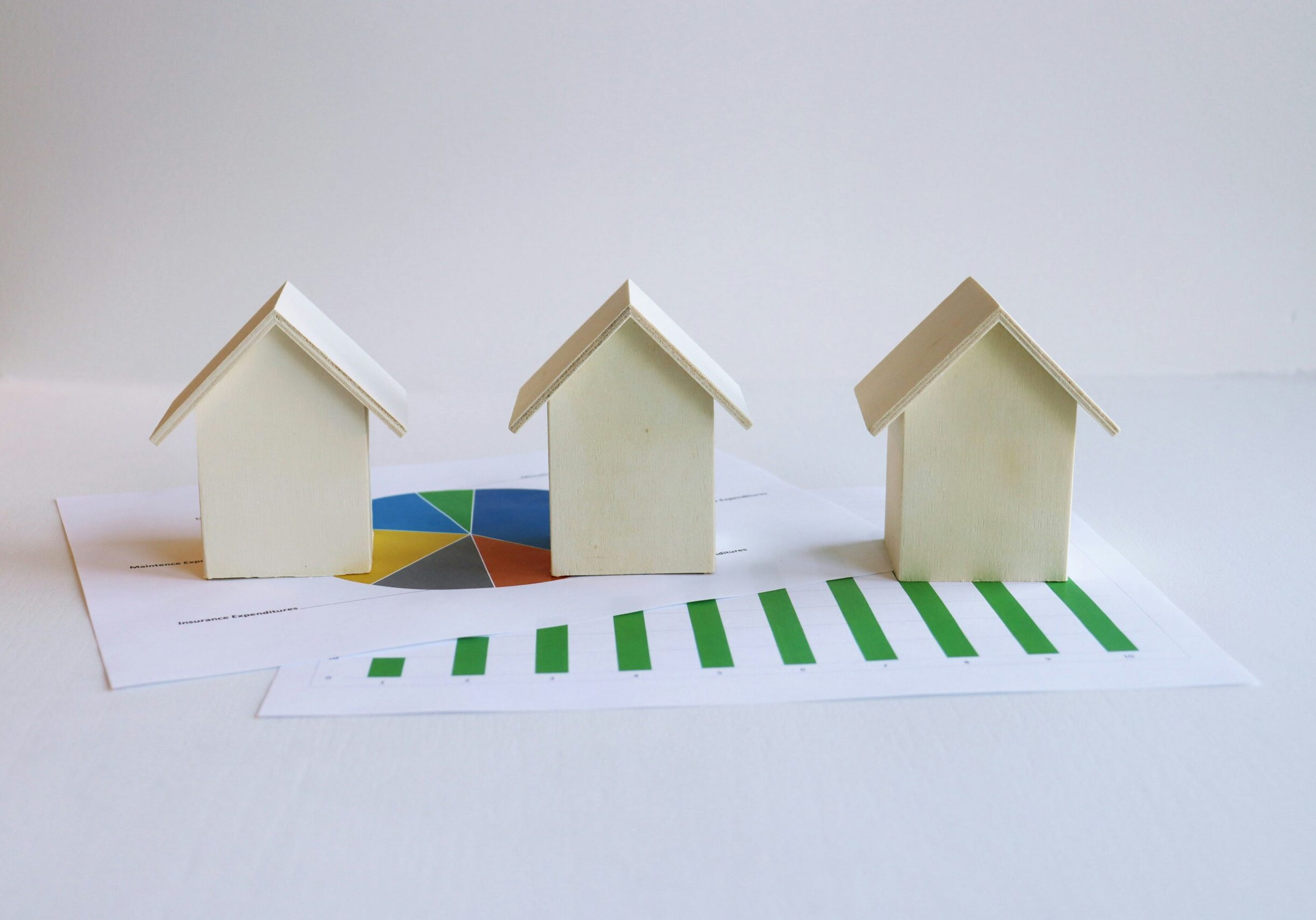
Indoor Air Quality: The Invisible ROI
Pollutants accumulate in indoor environments from materials, processes, and finishes. One major contributor is formaldehyde, a chemical used in many resin systems for wood panels, insulation, and composites. Although formaldehyde delivers performance, it also poses serious health risks, making safer alternatives essential.
However, formaldehyde isn’t the only concern. Indoor spaces often contain volatile organic compounds (VOCs) from paints and cleaning products; carbon monoxide from combustion appliances; particulate matter from cooking, dust, and other sources; and phthalates from plastics and flooring. These substances can compromise comfort, safety, and productivity, making low-emission materials a smart investment.
By choosing resins and finishes that are free of harmful substances, you can reduce the emissions that affect air quality in spaces where your teams work and your customers spend time. This improves trust and well-being while providing an invisible ROI.
Did you know?
Indoor air can be up to 8 times more polluted than outdoor air.
Formaldehyde, commonly used in traditional resins, has been classified as Carc1B since 2016 and is recognized as an endocrine disruptor by the EU.
“My daughter’s room contained formaldehyde at 19 micrograms per cubic meter—nearly 3 times the EPA limit.”
(ProPublica, 2024)

What Makes Indoor Air a Priority For Manufacturers
- Elevated exposure potential: Indoor spaces can concentrate pollutants at levels significantly higher than outdoors, which puts the focus on low-emission materials and clean chemistry.
- Regulatory momentum: Emission limits and obligations are tightening across sectors, from wood products to vehicle interiors. This places formaldehyde and VOCs under greater scrutiny.
- Business outcomes: Improved air quality reduces health incidents, supports productivity, and strengthens customer confidence in products intended for indoor use.
Compliance That Builds Trust
Opting for safer chemistry today simplifies audits tomorrow. Substitution principles encourage the replacement of hazardous agents with safer alternatives when technically possible. ResiCare’s solutions are designed to help you fulfill that obligation.
How ResiCare Helps Reduce Indoor Emissions
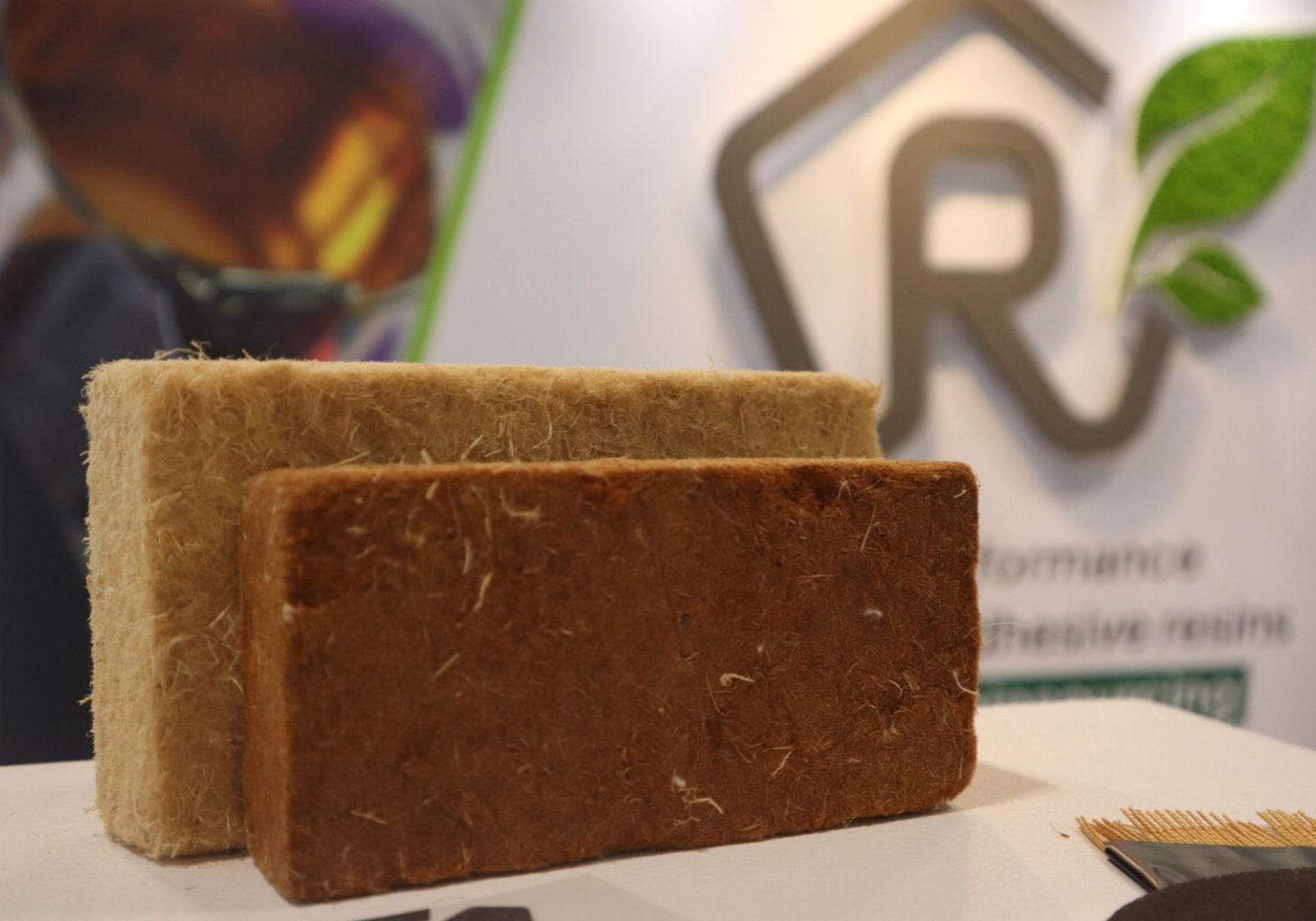
ResiCare resins are engineered to minimize harmful emissions during production and throughout the product's lifecycle. By addressing the fundamental chemistry, such as substituting hazardous components and avoiding SVHCs, we help you achieve stricter indoor air quality standards without compromising mechanical or processing performance.
Compliance That Builds Trust
Opting for safer chemistry today simplifies audits tomorrow. Substitution principles encourage the replacement of hazardous agents with safer alternatives when technically possible. ResiCare’s solutions are designed to help you fulfill that obligation.
How ResiCare Helps Reduce Indoor Emissions
ResiCare resins are engineered to minimize harmful emissions during production and throughout the product's lifecycle. By addressing the fundamental chemistry, such as substituting hazardous components and avoiding SVHCs, we help you achieve stricter indoor air quality standards without compromising mechanical or processing performance.
Proof Points You Can Share With Stakeholders
- SVHC-free formulations: Align with watchlists and buyer requirements for safer materials.
- Process-ready: Tunable properties and plug-and-play integration with existing lines.
- Brand narrative: Safer materials mean safer spaces, which is an advantage that your customers can appreciate.
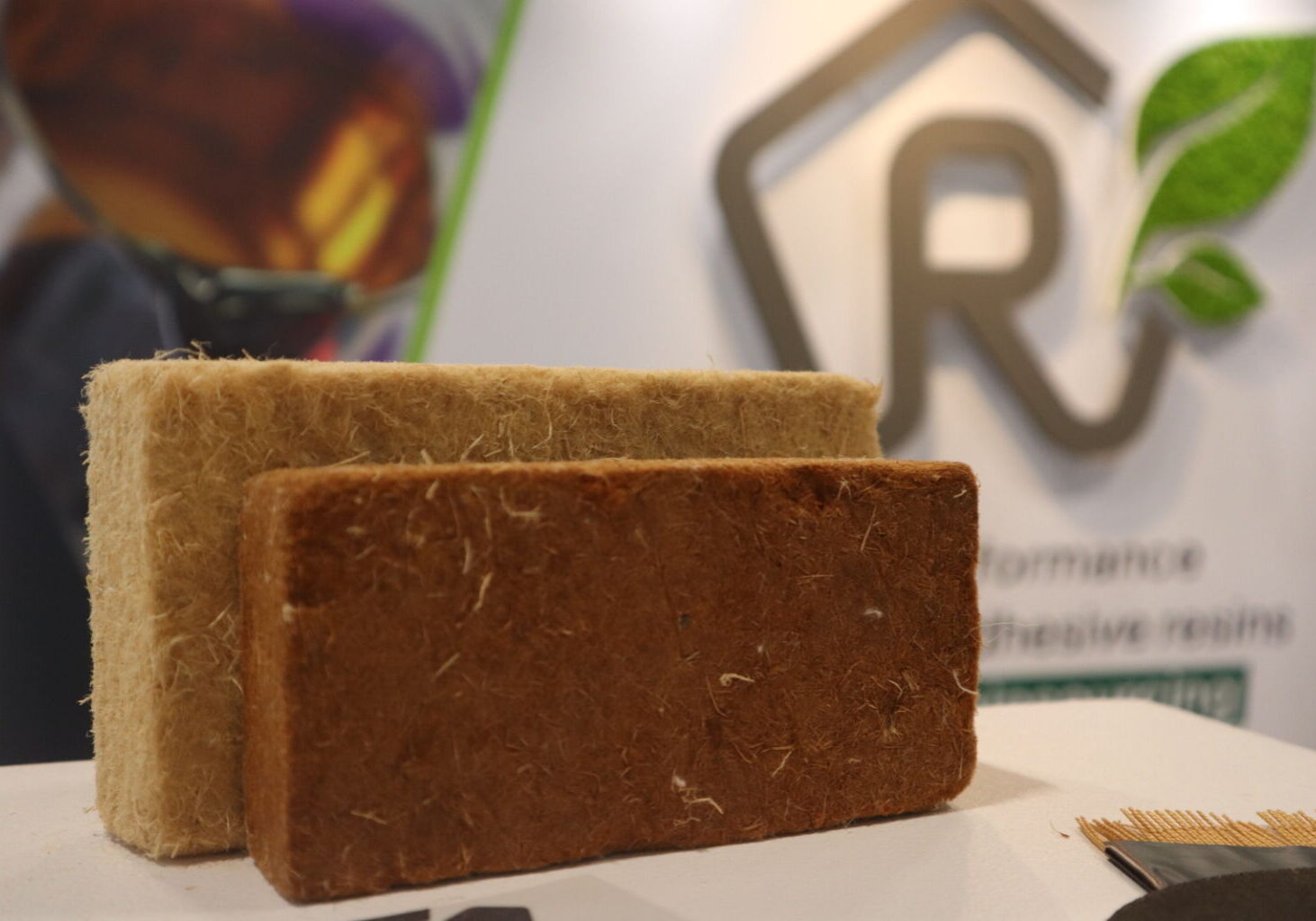
Discover All of Our Resin Applications

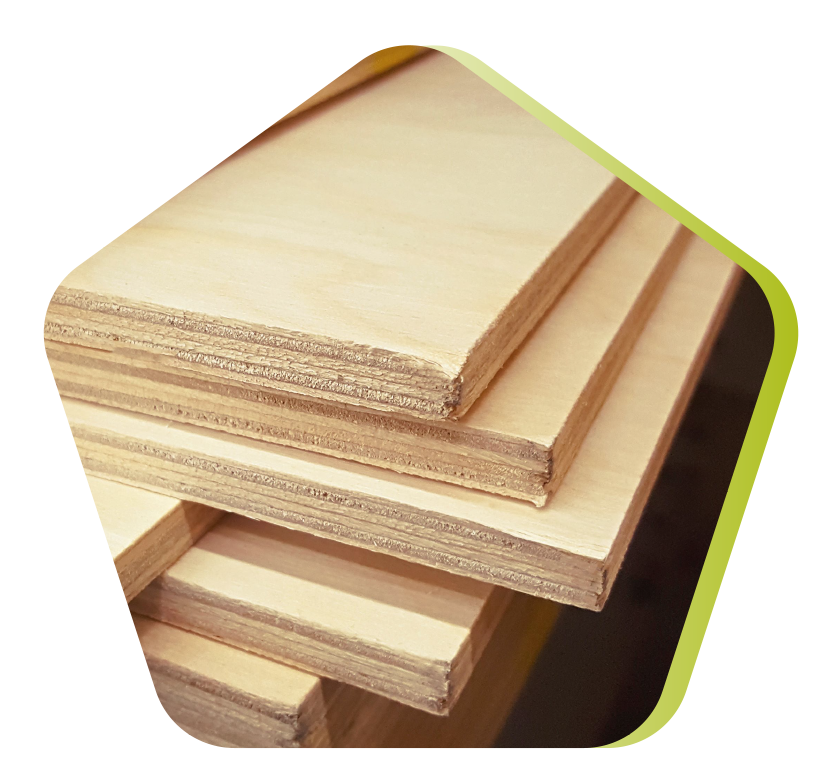
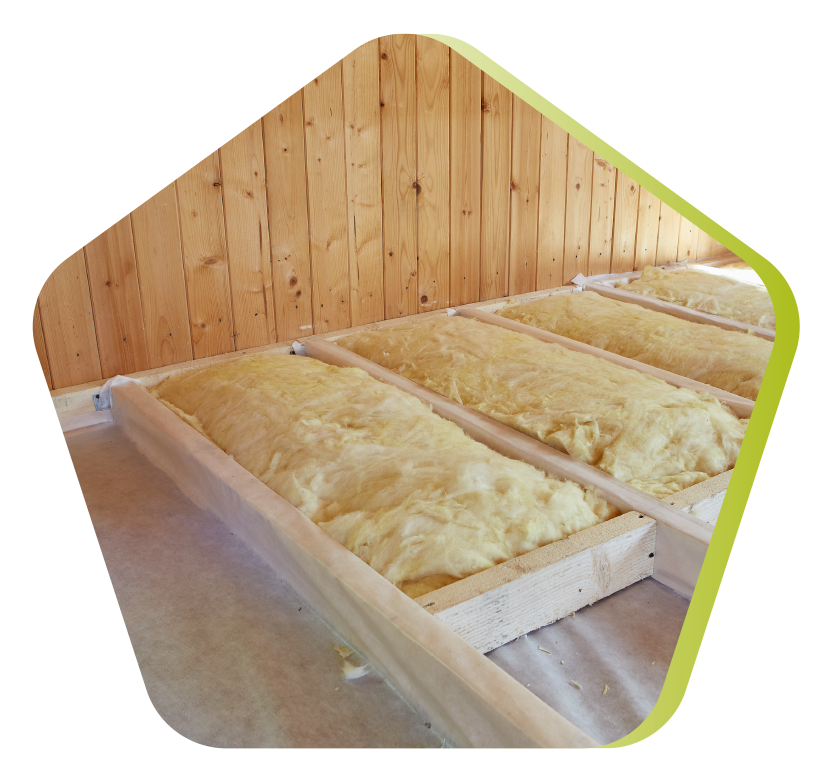
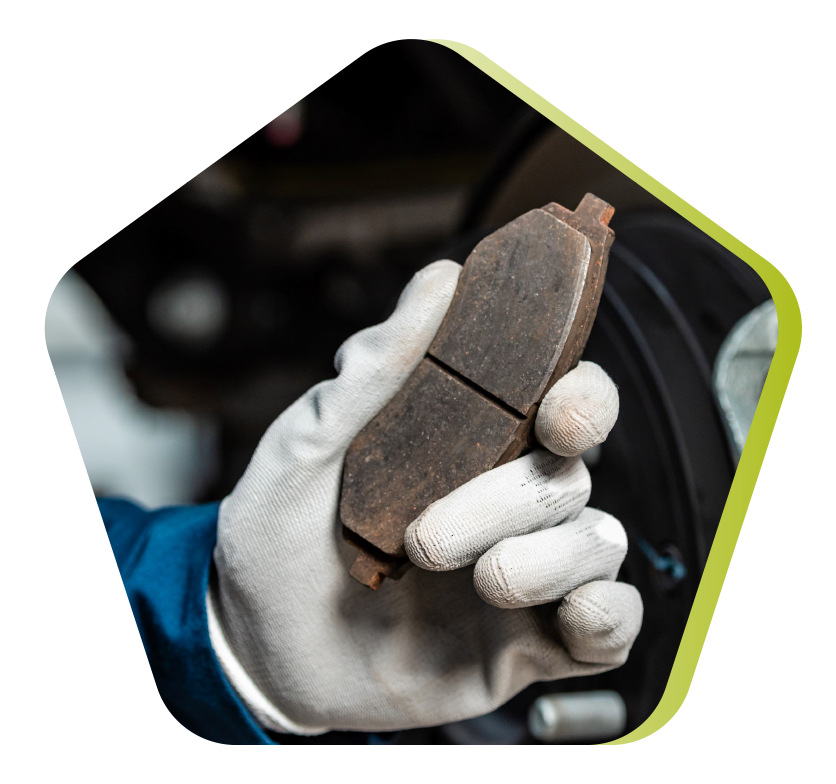
Discover All of Our Resin Applications
To build with us the best solution adapted to your needs, let’s get in touch !
To build with us the best solution adapted to your needs, let’s get in touch !