
Araminolic Resins
Araminolic Resins
Araminolic Resins :
Green Chemistry That Works With Your Applications
A Bio-Based, Non-Toxic Chemistry for Modern Industry
Araminolic resins are innovative polymers synthesized from polyphenols and aromatic aldehydes, many of which are naturally occurring and derived from renewable resources.
Polyphenols, such as flavonoids and tannins found in fruit and wood, are known for their antioxidant properties and are largely non-toxic.
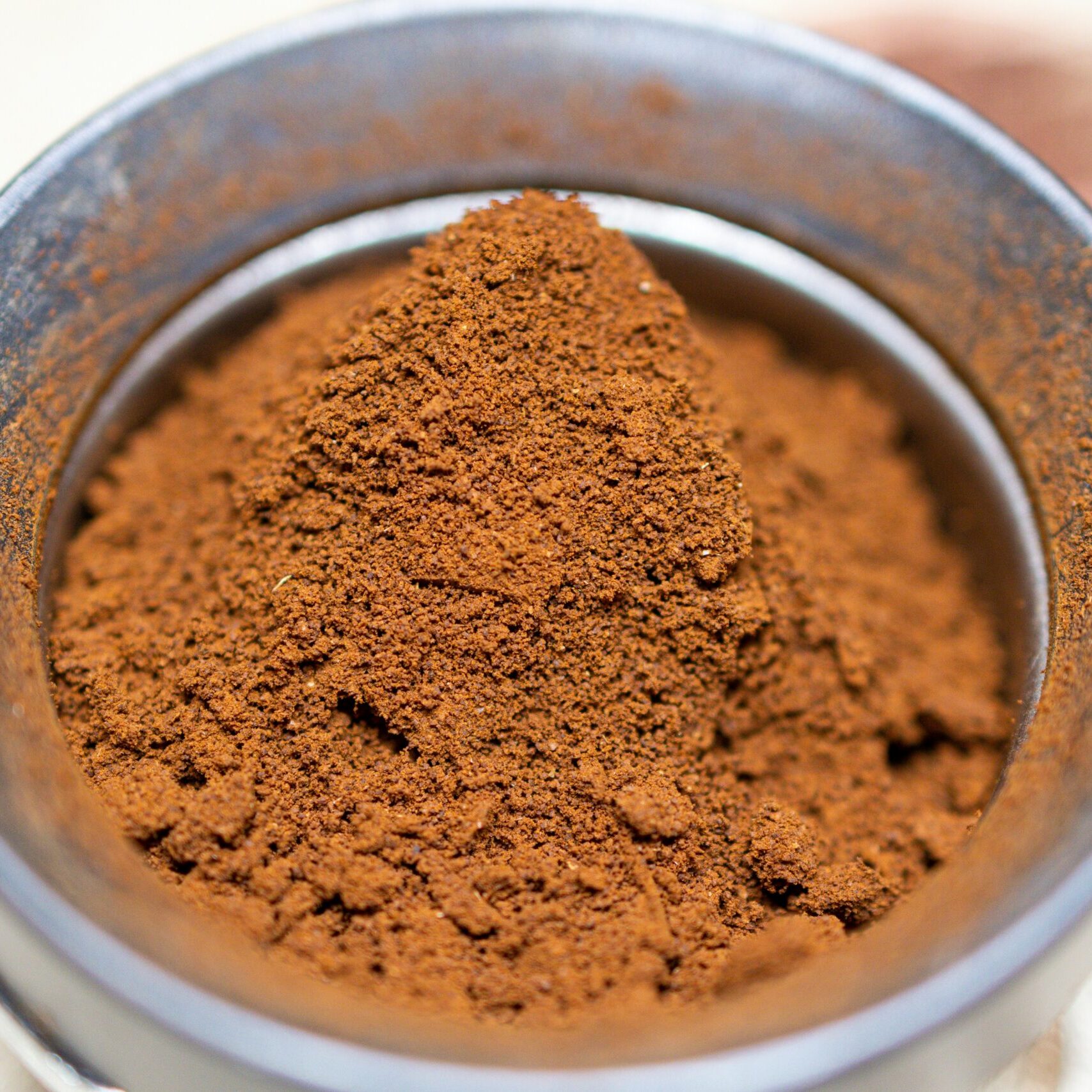
Aromatic aldehydes, like 5-HMF (from fructose dehydration), also exist in nature and contribute to the formation of safe, bio-based polymers.
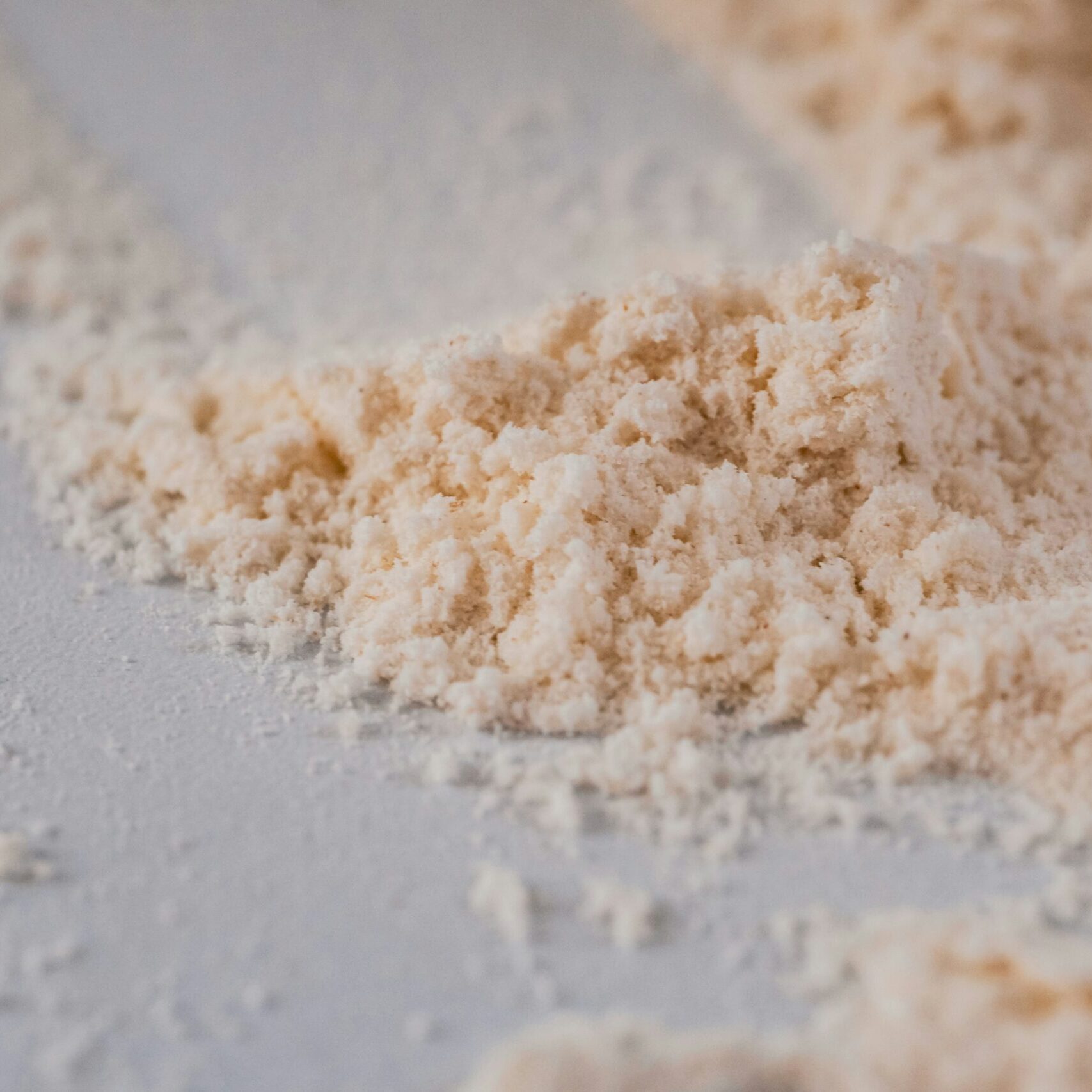
Polyphenols, such as flavonoids and tannins found in fruit and wood, are known for their antioxidant properties and are largely non-toxic.
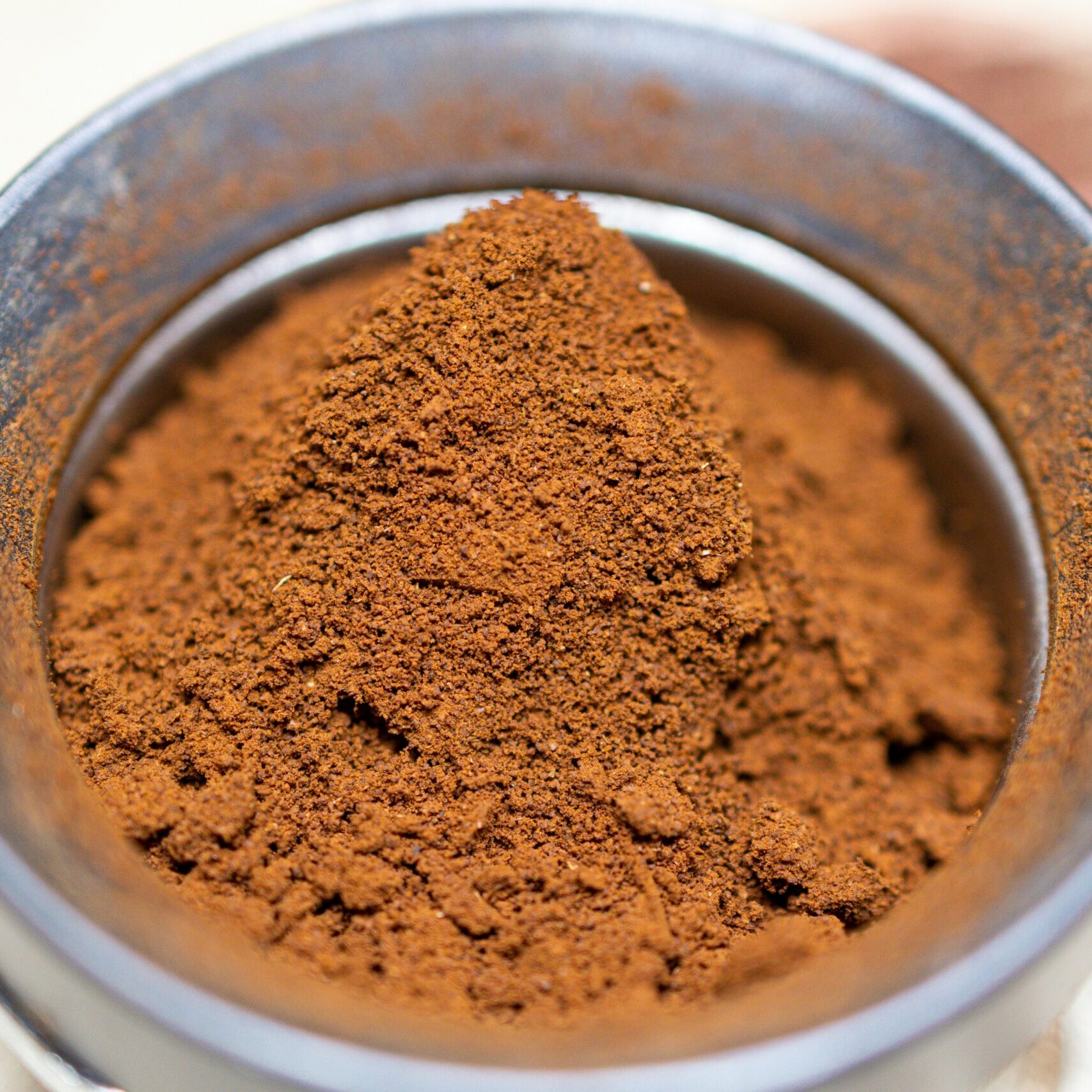
Aromatic aldehydes, like 5-HMF (from fructose dehydration), also exist in nature and contribute to the formation of safe, bio-based polymers.
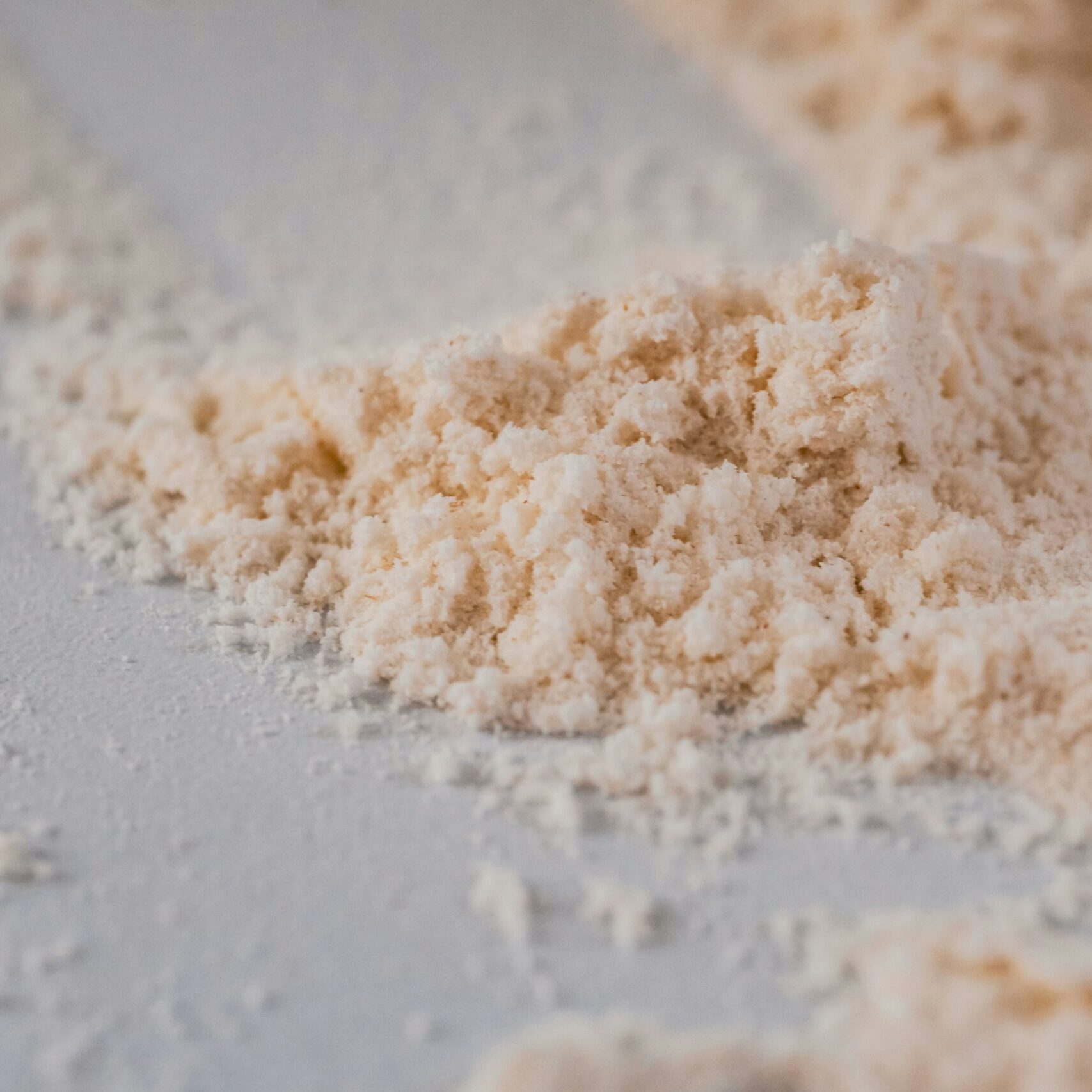
This chemistry enables the creation of Araminolic resins that are both high-performing and environmentally responsible. For more technical details, refer to patent WO2017/168107.
Broad Compatibility Across Resin Families
Araminolic resins can be used as adhesives, additives, or matrix materials in a wide range of applications. They offer:
- High temperature, water, and chemical resistance
- Compatibility with traditional aqueous resins like PF, UF, and MUF
- Partial or full replacement of toxic molecules such as phenol, formaldehyde, resorcinol, and melamine
- Increased bio-based content in petrochemical-derived formulations
Our resins also integrate well with:
- Biomass-derived resins (e.g., lignosulfonate, organosolv)
- Polymers with alcohol or acrylamide functions (e.g., polyesters, polyols, epoxies, acrylates)
- Formulations requiring temperature resistance, rigidity, or chemical stability
Broad Compatibility Across Resin Families
Araminolic resins can be used as adhesives, additives, or matrix materials in a wide range of applications. They offer:
- High temperature, water, and chemical resistance
- Compatibility with traditional aqueous resins like PF, UF, and MUF
- Partial or full replacement of toxic molecules such as phenol, formaldehyde, resorcinol, and melamine
- Increased bio-based content in petrochemical-derived formulations
Our resins also integrate well with:
- Biomass-derived resins (e.g., lignosulfonate, organosolv)
- Polymers with alcohol or acrylamide functions (e.g., polyesters, polyols, epoxies, acrylates)
- Formulations requiring temperature resistance, rigidity, or chemical stability
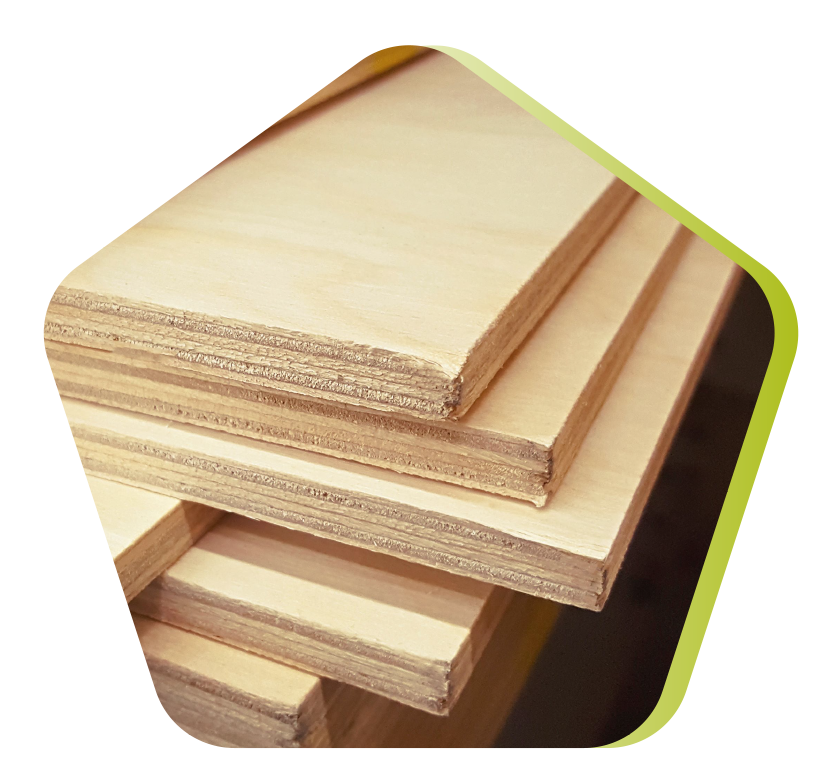
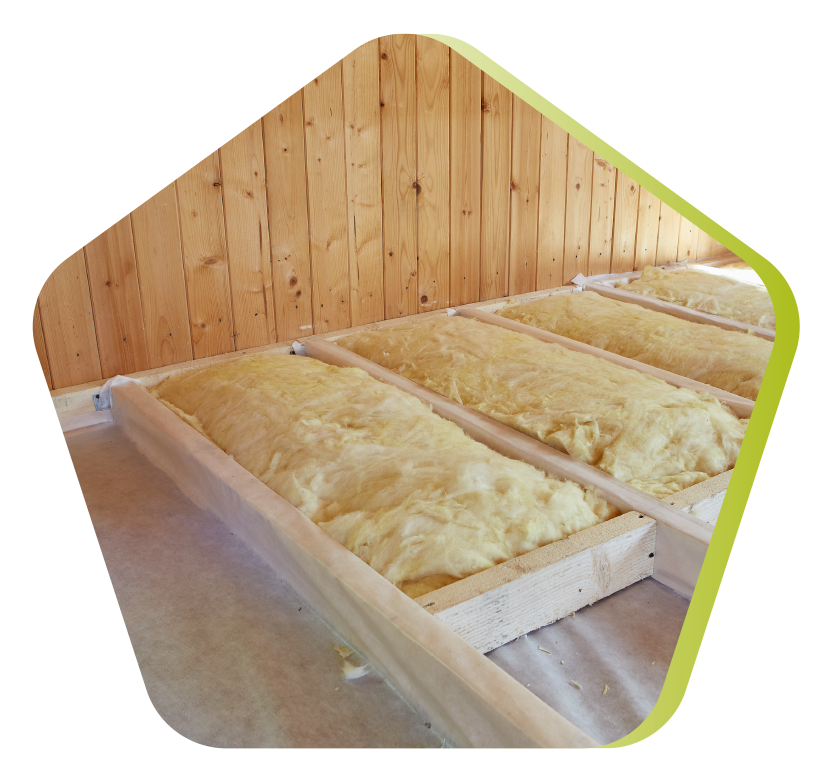
Discover All of Our Resin Applications


Discover All of Our Resin Applications
To build with us the best solution adapted to your needs, let’s get in touch !