
What Are Toxic Molecules?
What Are Toxic Molecules?
Understanding Toxic Molecules in the Industry
Industrial resins have traditionally relied on molecules that deliver performance but pose serious health, safety, and environmental risks. Substances such as formaldehyde, bisphenols, resorcinol, phenol, isocyanates, melamine, and organic solvents are widely used in conventional chemical processes.
Many of these molecules are classified as carcinogens, mutagens, reproductive toxins, or endocrine disruptors, and their presence in materials can lead to:
- Respiratory issues
- Hormonal disruption
- Increased cancer risk
Their widespread use in adhesives, coatings, and composite materials means exposure is common across multiple industries, making them a critical concern for manufacturers and regulators.
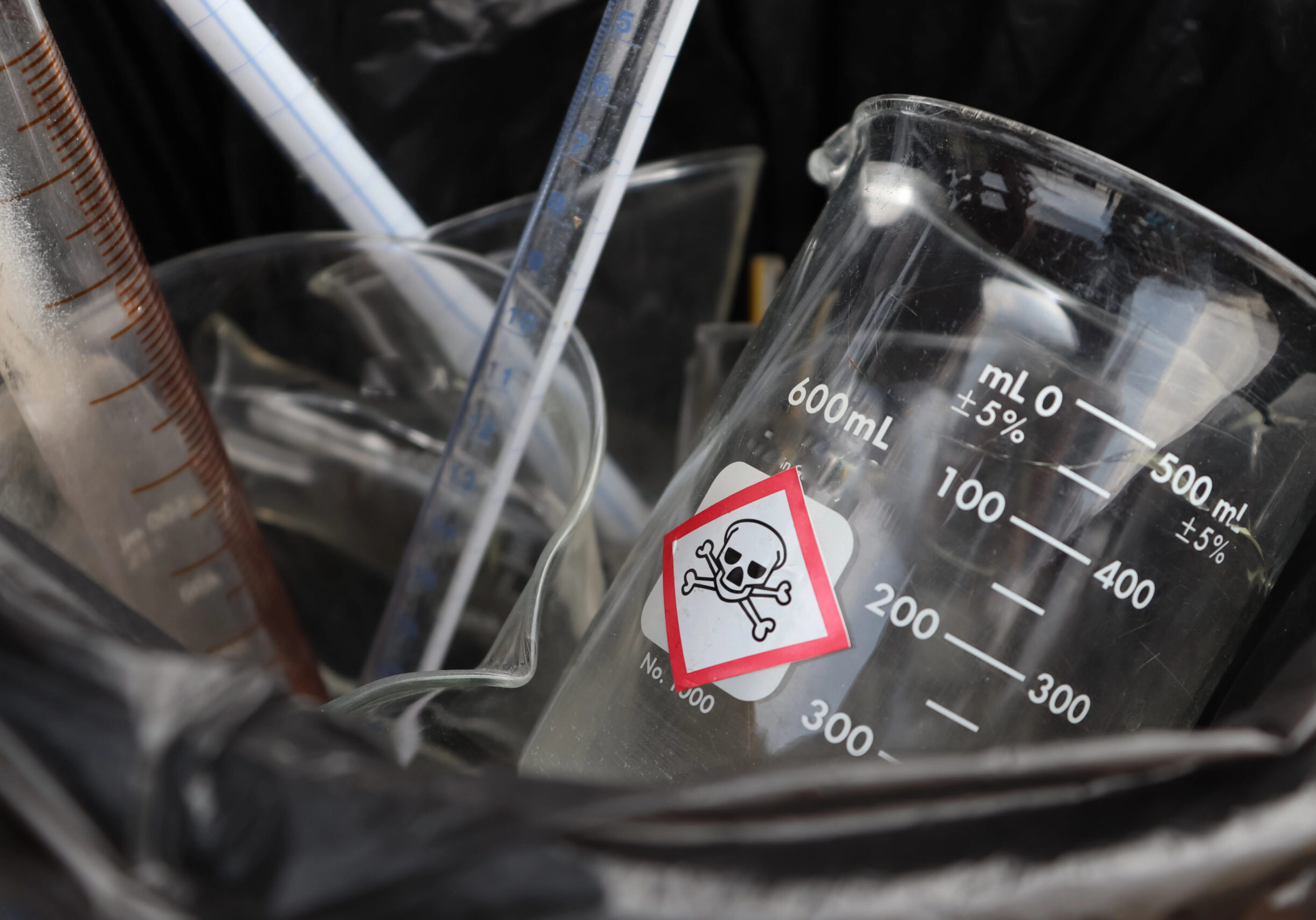
Understanding Toxic Molecules in the Industry
Industrial resins have traditionally relied on molecules that deliver performance but pose serious health, safety, and environmental risks. Substances such as formaldehyde, bisphenols, resorcinol, phenol, isocyanates, melamine, and organic solvents are widely used in conventional chemical processes.
Many of these molecules are classified as carcinogens, mutagens, reproductive toxins, or endocrine disruptors, and their presence in materials can lead to:
- Respiratory issues
- Hormonal disruption
- Increased cancer risk
Their widespread use in adhesives, coatings, and composite materials means exposure is common across multiple industries, making them a critical concern for manufacturers and regulators.
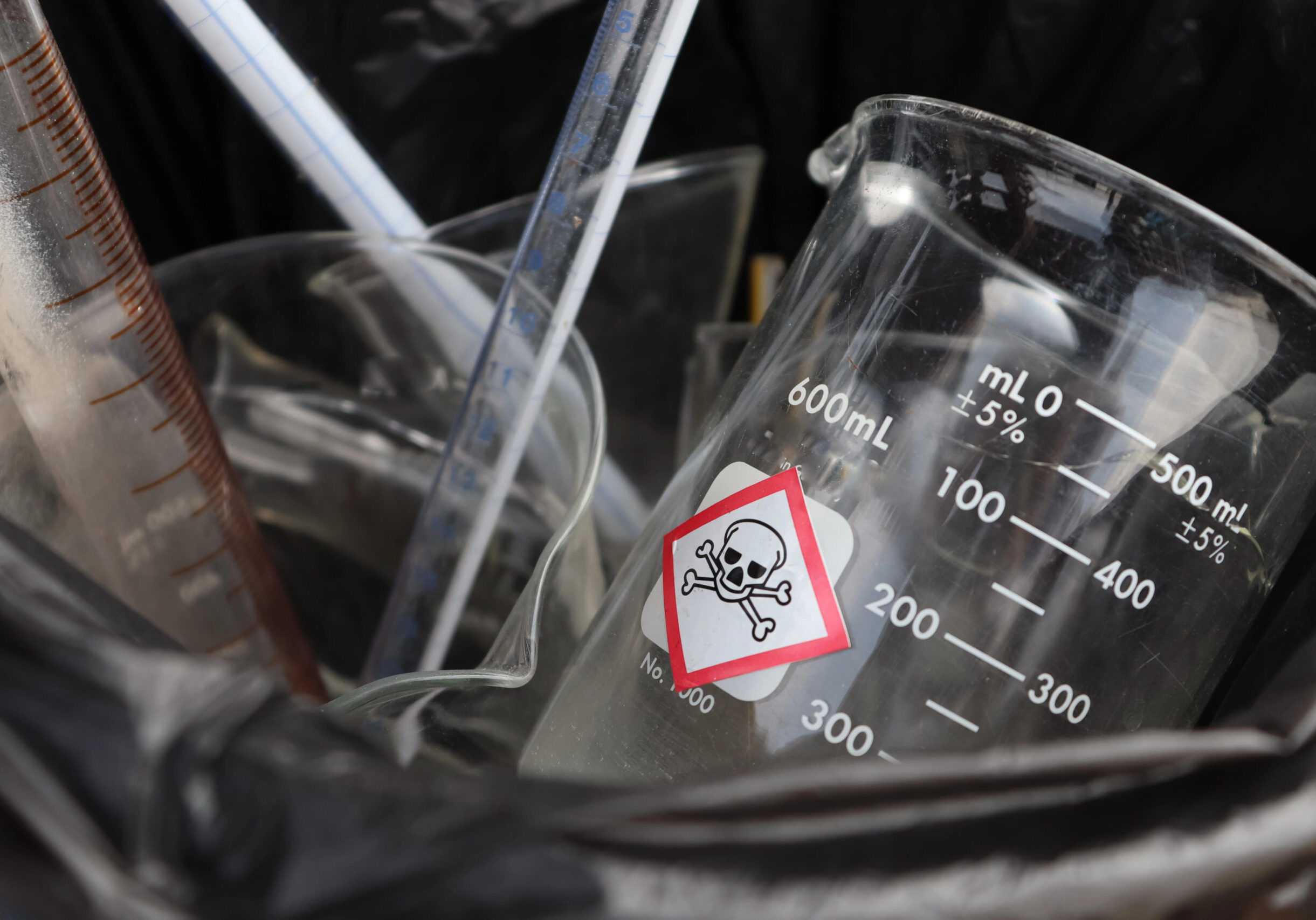
Why Understanding Toxic Molecules Matters
Global regulations are accelerating the phase-out of hazardous molecules in industrial resins. The European Commission’s Chemicals Strategy for Sustainability and the Registration, Evaluation, Authorisation and Restriction of Chemicals (REACH) legislation are spearheading this initiative, and similar restrictions are emerging worldwide.
In North America: The U.S. EPA and OSHA have tightened exposure limits for formaldehyde and isocyanates, while Canada’s Chemicals Management Plan targets endocrine disruptors such as BPA.
In the Asia-Pacific region: China’s Ministry of Ecology and Environment and Japan’s Chemical Substances Control Law are introducing stricter regulations on volatile organic compounds (VOCs) and carcinogens.
Global Frameworks: Initiatives under the UN’s Strategic Approach to International Chemicals Management (SAICM) and ISO sustainability standards are encouraging industries to adopt safer alternatives.
Using molecules such as formaldehyde, bisphenols, and isocyanates will create compliance risks under REACH and SVHC obligations and trigger CSRD (Corporate Sustainability Reporting Directive) requirements, impacting financial and sustainability reporting and adding complexity and cost.
Exposure is not just a theoretical risk:
Millions of workers worldwide handle these chemicals daily, facing the risk of developing cancer, respiratory diseases, and endocrine disruption. Outside of workplaces, emissions from these molecules affect indoor air quality, which can be up to eight times more polluted than outdoor air. Formaldehyde and VOCs are major contributors to this pollution, impacting homes, offices, and manufacturing environments.
Why Understanding Toxic Molecules Matters
Global regulations are accelerating the phase-out of hazardous molecules in industrial resins. The European Commission’s Chemicals Strategy for Sustainability and the Registration, Evaluation, Authorisation and Restriction of Chemicals (REACH) legislation are spearheading this initiative, and similar restrictions are emerging worldwide.
Using molecules such as formaldehyde, bisphenols, and isocyanates will create compliance risks under REACH and SVHC obligations and trigger CSRD (Corporate Sustainability Reporting Directive) requirements, impacting financial and sustainability reporting and adding complexity and cost.
Exposure is not just a theoretical risk:
In North America: The U.S. EPA and OSHA have tightened exposure limits for formaldehyde and isocyanates, while Canada’s Chemicals Management Plan targets endocrine disruptors such as BPA.
In the Asia-Pacific region: China’s Ministry of Ecology and Environment and Japan’s Chemical Substances Control Law are introducing stricter regulations on volatile organic compounds (VOCs) and carcinogens.
Global Frameworks: Initiatives under the UN’s Strategic Approach to International Chemicals Management (SAICM) and ISO sustainability standards are encouraging industries to adopt safer alternatives.
Millions of workers worldwide handle these chemicals daily, facing the risk of developing cancer, respiratory diseases, and endocrine disruption. Outside of workplaces, emissions from these molecules affect indoor air quality, which can be up to eight times more polluted than outdoor air. Formaldehyde and VOCs are major contributors to this pollution, impacting homes, offices, and manufacturing environments.
Eliminating these substances is no longer optional. It is essential for:
- Regulatory compliance
- Worker safety
- Long-term market viability

Eliminating these substances is no longer optional.
It is essential for:
- Regulatory compliance
- Worker safety
- Long-term market viability



ResiCare’s Committment
At Michelin ResiCare, we design resin systems that eliminate these toxic molecules without compromising performance. Our solutions meet stringent safety and sustainability requirements, helping partners stay ahead of regulatory changes and consumer expectations.
ResiCare’s Committment
At Michelin ResiCare, we design resin systems that eliminate these toxic molecules without compromising performance. Our solutions meet stringent safety and sustainability requirements, helping partners stay ahead of regulatory changes and consumer expectations.

To build with us the best solution adapted to your needs, let’s get in touch !