Why Resins Are Essential for Insulation
Resins play a critical role in insulation for construction and energy renovation projects. Known for their resistance to humidity and chemicals, resins have long been a reliable solution for protecting and binding fibers, which provide thermal and acoustic insulation. Today, advanced resins play a key role in improving the manufacturing process of insulation materials, which contributes to energy efficiency and fire safety in buildings, while reducing environmental impact. Resins serve as binders in fiber-based insulation, such as mineral wool, wood fiber, and plant-based materials, offering versatility and design flexibility across different insulation solutions.
Why Choose MICHELIN ResiCare for Insulation?
At MICHELIN ResiCare, we develop water-based, non-toxic, SVHC-free resins for mineral and plant-based insulation, including glass fiber, rock fiber, and wood fiber, ideal for both flexible and rigid panels. These Araminolic resin technology solutions are designed to replace traditional thermoset resins such as formaldehyde-phenolic and isocyanate systems, offering a safer and more sustainable alternative without compromising performance.
Introducing Resi4 Insulation:
100% bio-based formulation
Monomers free of formaldehyde and isocyanates by design
REACH compliant, SVHC-free, no CMR pictograms nor endocrine disruptors
Water-based technology for safer handling and reduced environmental impact
Low CO₂ emissions (<1.50–3.40 kg/kg)
European sourcing, aligned with RE2020 sustainability goals
Complies with ACERMI performance criteria
Mechanical performance: traction, flexion, compression
Chemical stability: water resistance and durability
Thermal conductivity: optimized for insulation efficiency
Two Ways to Use Our Technology
As a resin: 100% formulation for specific insulation applications.
As a bio-based additive: Designed to complement existing bio-sourced binders used by insulation manufacturers and enhance their product performance, particularly in humidity resistance and fire resistance.
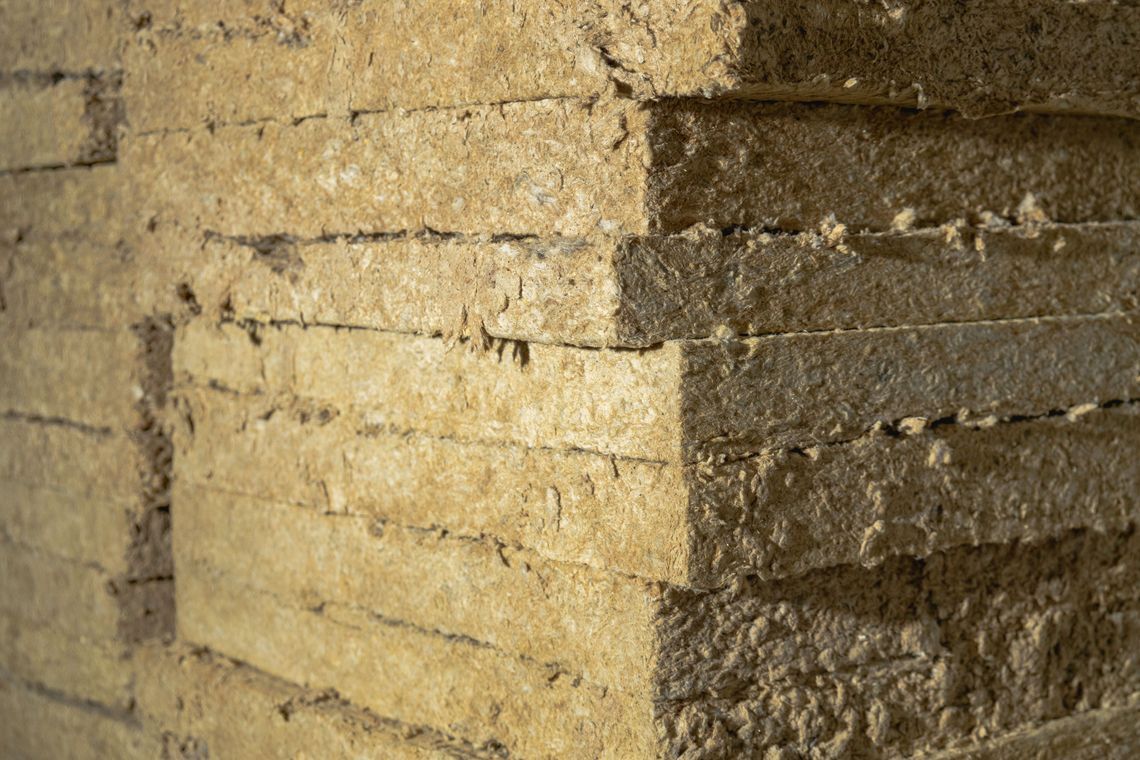
Advanced Customization & Easy Integration
Customizable in viscosity, reactivity, pH, and pre-cross-linking temperatures
Compatible with common additives
Spray-applicable for thermocompression processes, ensuring seamless integration into your production line
Why Partner with MICHELIN ResiCare?
Our insulation resins are designed to help manufacturers meet health, safety, and sustainability goals while delivering top-quality performance for construction and energy renovation projects. Choosing MICHELIN ResiCare means working with resins that are non-toxic, SVHC-free, and formulated without formaldehyde or isocyanates, while using raw materials that are 100% bio-based. This combination ensures compliance with REACH regulations, protects workers and consumers, and supports your company’s sustainable development strategy and green building certification, all without compromising ACERMI performance standards.
Frequently asked questions
For more specific information, please contact our team
insulation
They act as binders for mineral, wood, or plant fibers, determining humidity resistance, fire behavior, and mechanical integrity.
It replaces formaldehyde-phenolic and isocyanate-based thermoset systems—the two most problematic resin families in the industry.
100% bio-based, water-based, SVHC-free, and REACH compliant. Low CO2 emissions (1.50-3.40 kg/kg) and no CMR/endocrine disruptors.
Yes. It can be a 100% full system or a bio-based additive to enhance performances in existing binders.
Glass fiber, rock fiber, and wood fiber, supporting both flexible and rigid panel formats.
Yes. Viscosity, pH, and reactivity are adjustable. It is spray-applicable and fits existing thermocompression processes.
Yes. It aligns with RE2020 goals and green certifications due to its 100% bio-based nature and European sourcing.
It proves that the insulation meets strict thermal and mechanical standards without compromising on its non-toxic, bio-based status.